High-end glitch fonts for luxury brand subversive advertising work because they break the traditional rules of perfect, polished design. Luxury brands have relied on clean serifs and flawless layouts for decades. Introducing a controlled digital distortion creates an immediate visual contrast. This subversive approach signals to modern consumers that the brand is innovative, self-aware, and willing to disrupt its own heritage. When a premium watch or fashion house uses a carefully crafted distorted typeface for a limited-edition drop, it captures attention without sacrificing perceived value.
What makes a glitch font suitable for luxury advertising?
Not all distorted typography belongs in a high-end campaign. A premium glitch typeface maintains legibility and intentional design. Cheap, randomly scrambled letters look like a rendering error. High-quality options feature deliberate kerning, balanced negative space, and subtle digital artifacts rather than chaotic noise. For instance, a fashion house might use Glitch Luxury to add a slight digital tear to a headline while keeping the underlying structure elegant. This level of refinement ensures the brand still feels expensive, even when the aesthetic is intentionally broken.
When should luxury brands use subversive typography?
This strategy works best for specific, targeted campaigns rather than a complete brand overhaul. It is highly effective for limited-edition product drops, collaborations with digital artists, or campaigns aimed at younger, digitally native demographics. A heritage automotive brand launching an electric vehicle concept might use subversive typography to bridge its classic history with a futuristic vision. If you are exploring typefaces for broader tech-adjacent projects, you might also review professional glitch font families for tech startup branding to see how controlled distortion communicates innovation across different industries.
What are the most common mistakes in subversive luxury design?
The biggest error is sacrificing readability for the sake of the effect. If a consumer cannot read the product name or campaign message within two seconds, the design has failed. Another frequent mistake is overusing the effect. Applying heavy distortion to body copy or secondary information overwhelms the viewer. Designers also sometimes pair glitch elements with equally chaotic backgrounds, removing the visual hierarchy. The distortion should be the focal point, supported by clean, minimalist surroundings.
How do you balance glitch effects with a premium aesthetic?
Achieving this balance requires strict design discipline. Use the distorted typeface exclusively for primary headlines or short, impactful taglines. Pair it with a highly legible, neutral sans-serif font for all supporting text. Generous white space is essential; it gives the glitch element room to breathe and reinforces the feeling of exclusivity. You can also limit the color palette to monochrome or metallic tones, which grounds the digital distortion in a traditional luxury context. For creatives building out narrative-driven campaigns, looking at authentic glitch typefaces for cyberpunk graphic novels can provide inspiration on how to maintain atmosphere without losing typographic integrity.
What practical steps should designers take next?
Before finalizing a campaign asset, test the typography at various sizes and on different screens. A glitch effect that looks subtle on a large desktop monitor might become an illegible blur on a mobile device. Always prioritize the message over the visual trick. If you need a reliable starting point for your next campaign, consider exploring high-end glitch fonts for luxury brand subversive advertising to find typefaces built specifically for this delicate balance.
Pre-Launch Typography Checklist
- Verify the headline remains readable at mobile screen sizes.
- Ensure the glitch effect is applied only to primary headlines, not body copy.
- Check that the distorted font is paired with a clean, neutral supporting typeface.
- Confirm the background is minimalist to maintain visual hierarchy.
- Test the design in grayscale to ensure the contrast holds up without color reliance.
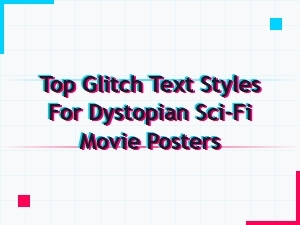 Top Glitch Fonts for Dystopian Sci-Fi Poster Design
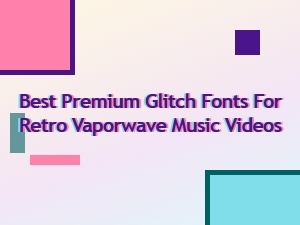 The Ultimate Premium Glitch Fonts for Vaporwave Videos
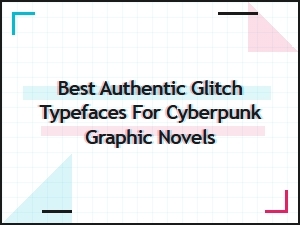 The Essential Glitch Fonts for Cyberpunk Stories
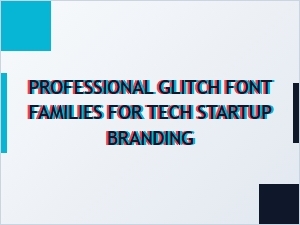 Premium Glitch Fonts for Tech Startup Branding
 Modern Glitch Font Pairings for Tech Startups
 Understanding the Nature of Glitch Distortion Fonts